Ines Otto · 8 September 2026
Copper Recycling Programs Reshaping Municipal Budget Allocations in Mid-Sized Cities
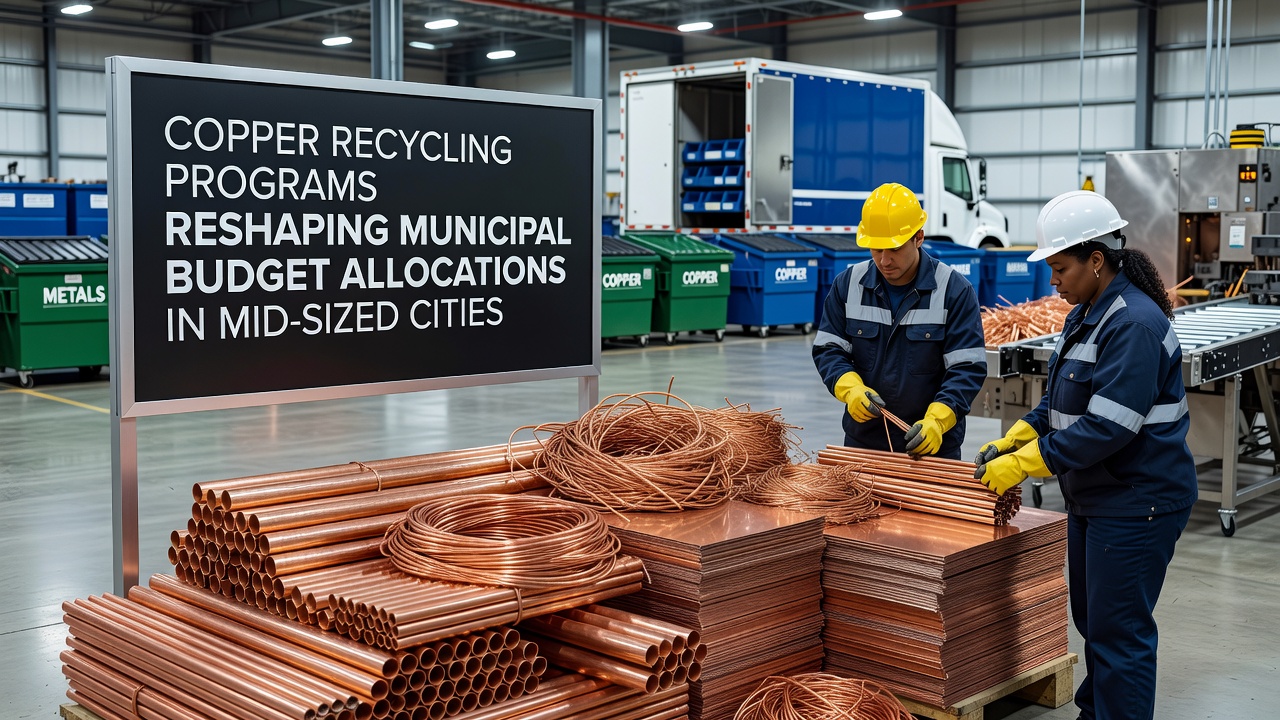
Mid-sized cities have turned to structured copper recycling programs as a way to generate steady revenue streams while cutting waste management expenses, and these efforts have started to influence how local governments divide their annual budgets. Cities with populations between 50,000 and 250,000 residents often collect copper from construction debris, electrical upgrades, and plumbing replacements through dedicated collection points and partnerships with local contractors. Revenue from selling recovered copper then offsets sanitation department costs or funds infrastructure repairs, according to data compiled by the U.S. Environmental Protection Agency.
Program operators sort and process the metal at centralized facilities before selling it to smelters, which creates predictable income that city finance departments can forecast during budget planning sessions. In several documented cases, these sales have covered between 3 and 7 percent of a city's solid waste budget, freeing resources for parks maintenance or public safety equipment purchases. Researchers at the University of British Columbia tracked similar patterns in Canadian municipalities and noted that copper recovery rates climbed steadily once collection bins were placed at transfer stations.
Revenue Generation and Cost Savings
Copper prices have remained elevated because of demand in electronics and renewable energy sectors, so municipalities that maintain consistent supply chains benefit from higher payouts when they sell sorted scrap. One analysis from Environment and Climate Change Canada showed that mid-sized cities recovered an average of $180,000 per year from copper sales alone after implementing mandatory separation rules at construction sites. Those funds typically move into capital improvement accounts rather than general funds, which allows planners to accelerate road resurfacing projects without raising property taxes.
Disposal fees also drop because less copper ends up in landfills, and the reduction in tonnage triggers lower tipping fees at regional waste sites. Cities that combine copper recovery with other metals programs report compounded savings that compound over multiple fiscal years. Observers note that these dual benefits of income plus avoided costs have encouraged budget directors to treat recycling operations as line items that can be expanded rather than trimmed during lean periods.
Examples from Different Regions
Take the experience of a city in the American Midwest that launched its program in 2023 and by mid-2025 had redirected copper proceeds to hire two additional code enforcement officers. Meanwhile, a comparable municipality in northern Germany used proceeds from copper sales to subsidize electric vehicle charging stations, according to figures released by the European Environment Agency. Both examples illustrate how the same material stream supports different local priorities once revenue hits the municipal accounts.
Another case involved an Australian regional center that integrated copper collection into its existing e-waste drop-off sites, and program managers reported that the added metal stream covered the cost of new sorting equipment within 18 months. Data from these locations indicate that success depends on clear ordinances requiring contractors to separate metals at job sites and on reliable contracts with downstream buyers who guarantee minimum purchase prices.
Policy Shifts Expected in September 2026
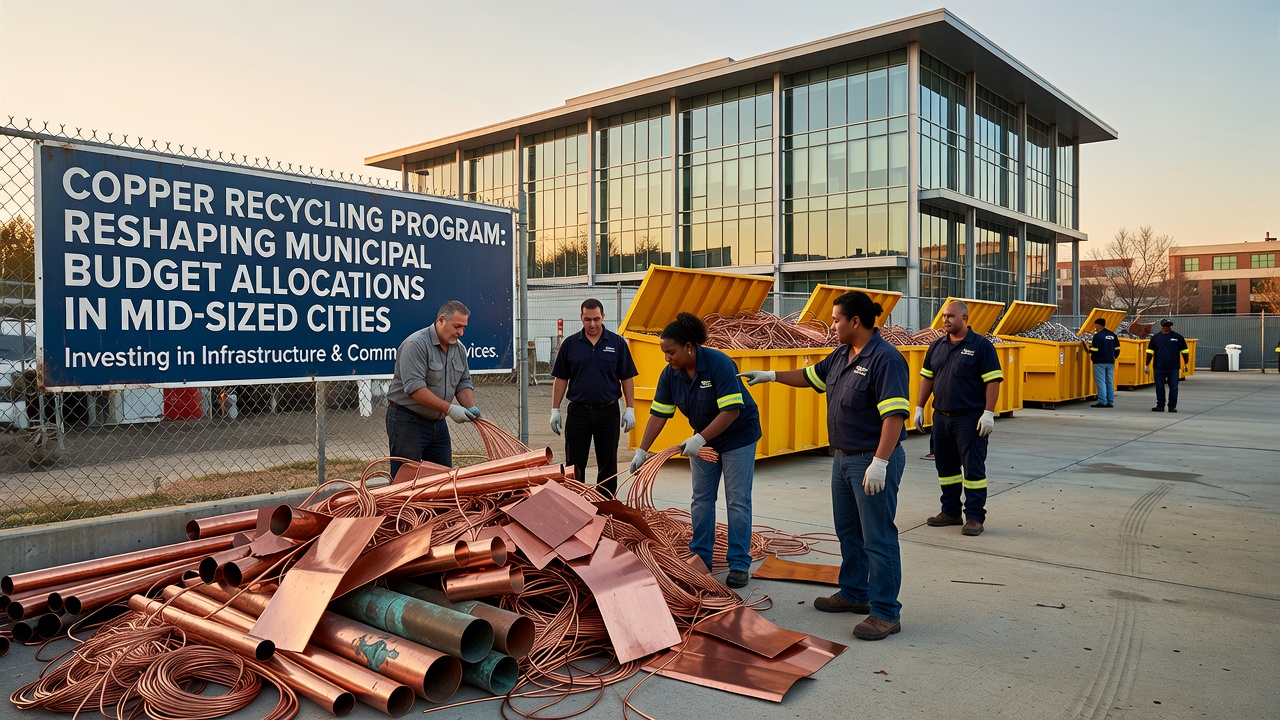
New federal guidelines scheduled to take effect in September 2026 will require mid-sized cities receiving certain infrastructure grants to document copper recovery volumes and report how sales revenue affects overall spending plans. Officials expect the reporting requirement to standardize data collection and make it easier for cities to compare results across state lines. Preparation for the change has already prompted several finance departments to upgrade their tracking software so they can attribute specific budget line items directly to recycling income.
Grant administrators have signaled that cities demonstrating measurable budget relief from metal recovery may receive priority when applying for future transportation or water system funds. This linkage between recycling performance and grant eligibility represents a structural shift in how higher levels of government view municipal scrap programs, and it has spurred additional investment in collection infrastructure ahead of the deadline.
Implementation Challenges and Solutions
Staff training remains a recurring hurdle because sanitation workers must learn to identify copper grades and separate them from other metals without slowing overall processing speeds. Cities that invested in short certification courses for employees reported fewer contamination incidents and higher sale prices per ton. Partnerships with regional vocational schools have supplied the necessary training at modest cost while creating a pipeline of qualified workers for future expansion.
Contamination from painted or alloyed copper pieces can reduce market value, so program managers have introduced simple visual guides and handheld analyzers at collection points. These tools help crews make quick decisions on the spot and maintain quality standards that buyers require. The investment in equipment pays for itself through avoided downgrades at the smelter level, and several cities have documented payback periods of less than one year.
Conclusion
Copper recycling programs continue to alter municipal budget dynamics by supplying both direct revenue and indirect savings that local governments can redirect toward other services. As reporting requirements tighten in September 2026, mid-sized cities will likely refine their tracking methods and explore additional collection streams. The pattern of reallocating metal sale proceeds to capital projects and operational needs has already taken hold in multiple regions, and ongoing data collection will clarify how durable these shifts prove to be over successive budget cycles.